
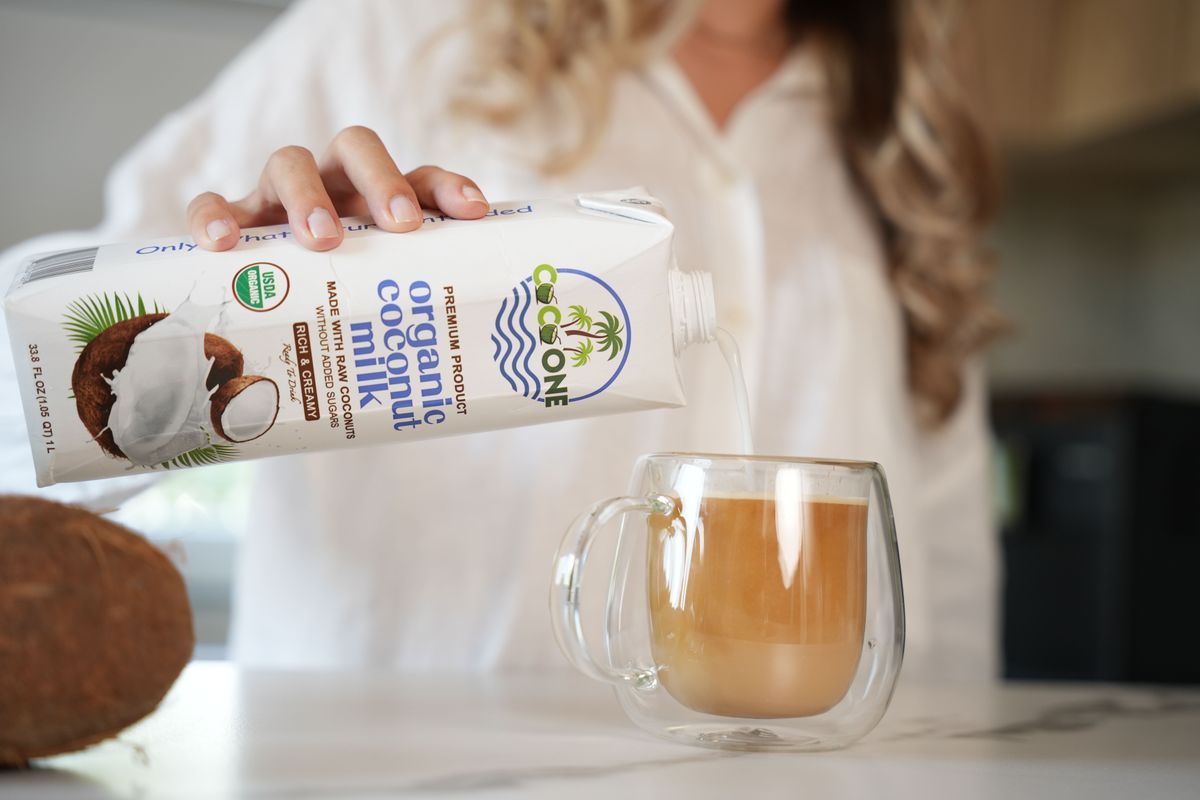
It's a familiar scenario for many plant-based enthusiasts: you pour your store-bought coconut milk into a freshly brewed cup of coffee, only to watch it curdle and separate into an unappetizing mess. This common issue can be frustrating, especially when you're seeking a smooth, creamy addition to your morning ritual. Understanding why this happens can help you prevent it, ensuring your coffee remains a delightful and wholesome coconut beverage experience. At CocoOne, we believe in transparency about the natural processes of our ingredients, ensuring you can enjoy our pure products as intended.
The Natural Chemistry of Separation
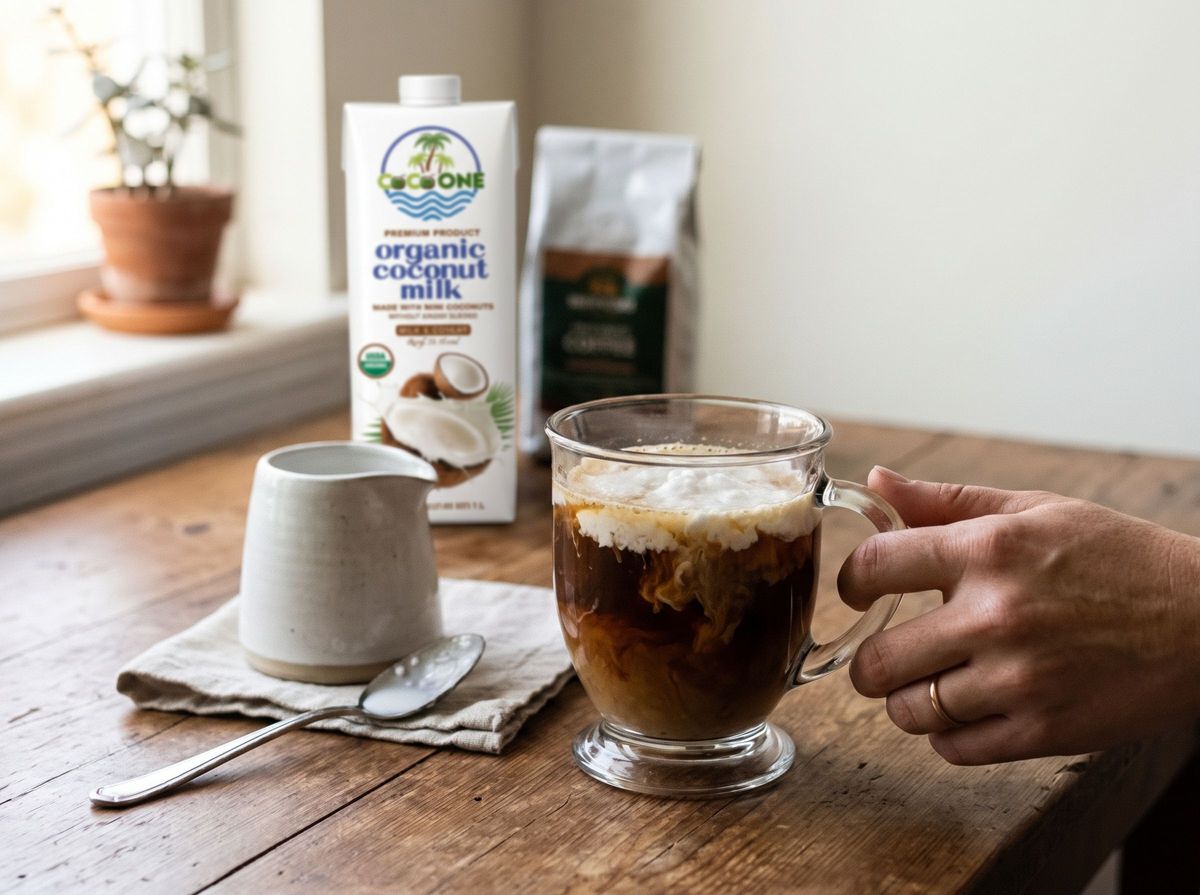
The primary reason coconut milk separates in coffee lies in its natural composition. Coconut milk is an emulsion, meaning it's a stable mixture of oil (fat from the coconut) and water, held together by proteins and natural emulsifiers. When this delicate balance is disrupted, the fat and water components begin to separate, leading to that unappealing curdled appearance. This is a completely natural reaction and not an indication of spoilage or poor quality, but rather the inherent characteristics of a pure, plant-based product.
Acidity and Temperature: The Main Culprits
The two biggest factors that contribute to coconut milk separating are the acidity and temperature of your coffee. Coffee is naturally acidic, and when hot, acidic liquid comes into contact with the proteins and fats in coconut milk, it can cause them to destabilize. The high heat can denature the proteins, breaking down their structure, while the acidity causes the fats to coagulate or clump together. This reaction is similar to how lemon juice can curdle dairy milk, demonstrating the sensitivity of plant-based emulsions to environmental changes. Lower quality coconut milk with more additives might sometimes appear more stable, but that often comes at the cost of purity and natural goodness.

Simple Fixes for a Smoother Sip
Fortunately, there are several straightforward ways to prevent your coconut milk from separating in coffee. The goal is to minimize the shock to the coconut milk's emulsion. First, try warming your coconut milk slightly before adding it to your hot coffee; a gentle warmth can help it integrate better. Second, pour the coffee into the coconut milk slowly, rather than adding the milk to a full cup of hot coffee, stirring gently as you go. This allows for a more gradual temperature and pH adjustment. Lastly, consider the type of coffee you’re brewing; some dark roasts are more acidic, which can exacerbate the separation. Choosing a less acidic roast or even cold brew can make a noticeable difference.
Choosing Quality coconut milk Matters
While these tips can significantly improve your coffee experience, the quality of your coconut milk also plays a crucial role. A pure, organic coconut milk with minimal processing and no unnecessary stabilizers is often the best choice for both health and performance in coffee. Products that are watered down or contain various additives can sometimes react unpredictably. Opting for a rich, organic coconut milk ensures you're getting a product that is not only packed with natural nutrients but also more likely to maintain its smooth texture when introduced to hot beverages, thanks to its wholesome and unadulterated nature.
Understanding the natural science behind why coconut milk sometimes separates in coffee empowers you to enjoy your favorite coconut beverage without worry. By making small adjustments to your preparation and choosing a high-quality product, you can achieve that perfectly creamy, smooth cup every time. At CocoOne, we are dedicated to providing organic coconut milk that upholds the highest standards of purity and taste, allowing you to embrace a healthier lifestyle. Explore our range of organic coconut milk and coconut water products to elevate your daily routine and discover the difference true quality makes.